Plaid Christmas Digital Paper for Backgrounds
First Impressions and Mood Setting
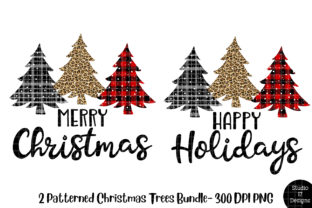
The moment I opened the Plaid Christmas Digital Paper, I was immediately drawn to its warm, textured feel. The plaid pattern is rich with holiday spirit, featuring deep reds, greens, and golds that evoke a cozy, festive atmosphere. It’s not just a background—it’s an emotional anchor. This digital paper feels like it belongs in a handmade business or a seasonal campaign, offering a tactile quality that digital assets often lack.
Fitting Projects and Client Needs
This asset is particularly well-suited for small businesses that want to add a touch of tradition and charm to their branding. Imagine a boutique selling handcrafted holiday items or a local event planning company needing visual materials for a winter festival. The Plaid Christmas Digital Paper can serve as a versatile foundation for various design needs, from packaging and product labels to social media graphics and marketing visuals.
Design Applications and Versatility
Plaid Christmas Digital Paper shines in creative design scenarios where a subtle yet impactful background is needed. It works beautifully as a hero graphic for a product launch or as a decorative accent in editorial design. When used in packaging design, it adds a layer of personality that aligns with a handmade brand’s identity. For Cricut users, this digital paper can be transformed into stickers, banners, or even custom t-shirt designs with ease.
Where It Works Best
- Large Layout Areas: Perfect for website headers, blog posts, or print-on-demand product mockups.
- Hero Graphics: Ideal for social media posts, Canva templates, and digital ads that need a bold visual statement.
- Themed Collections: A great base for seasonal campaigns, Etsy products, or printable wall art.
- Product Mockups: Adds authenticity to merchandise like mugs, tote bags, and branded merchandise.
- Social Media Graphics: Enhances Instagram posts, Pinterest pins, and Facebook promotions with a festive vibe.
Where to Use with Caution
While the Plaid Christmas Digital Paper is a powerful tool, it’s important to consider its limitations. In crowded layouts or complex designs, it may compete with other elements, making readability challenging. On minimalist branding projects or professional corporate materials, its ornate texture could clash with the desired clean aesthetic. Always test how it interacts with text and other design components before finalizing a layout.
Impact on Readability and Brand Consistency
Readability is key in any design project, and the Plaid Christmas Digital Paper can either enhance or hinder it depending on usage. When placed behind high-contrast text, it can create a visually engaging backdrop without overwhelming the message. However, at smaller sizes or when paired with light-colored fonts, it may reduce legibility. Ensuring proper contrast is essential for maintaining visual trust and brand consistency.
Practical Designer Notes
Before using the Plaid Christmas Digital Paper commercially, consider these practical steps:
- Test in Black and White: Confirm that the design holds up in monochrome settings.
- Check Contrast: Ensure the text remains readable on both light and dark backgrounds.
- Preview at Different Sizes: Verify that the pattern doesn’t distort or repeat excessively at small scales.
- Place on Real Mockups: See how it looks in actual product contexts, such as t-shirts or packaging.
- Test Print Quality: Confirm that the digital paper maintains its texture and color when printed.
- Review File Formats: Make sure you have access to PNG transparency and SVG editability if needed.
- Confirm Commercial Licensing: Always verify that the asset is suitable for commercial use, especially for print-on-demand or Etsy products.
Final Thoughts on Design Utility
The Plaid Christmas Digital Paper is more than just a background—it’s a creative asset that can elevate the visual tone of a project. Whether you’re designing for a small business, a seasonal campaign, or a digital marketplace, this digital paper offers a unique blend of style and functionality. By understanding its strengths and limitations, designers can make informed decisions that support both artistic vision and client needs.